
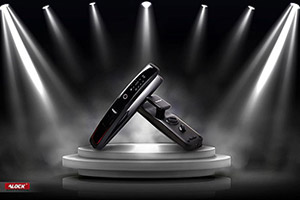
With a storage capacity of 100 fingerprints, 100 faces and 200 passwords and card information, the smart arms allow users to manage their entry and exit. Equipped with a color camera and night vision technology, these arms can recognize faces even in the dark thanks to infrared technology.
Users can register their image or name in the system so that administrators can monitor entries and exits.
In case of emergencies, such as robbery attempts, the multi-administrator alert settings send alerts to other administrators, preventing unauthorized entries.
To better control entries and exits, you can set the system so that certain people, for example construction workers, only have access during the time intervals you specify.
When you are busy, the lever’s smart feature can provide a report of the last 1000 passes when you need it.
You can also set it to automatically lock the door a few seconds after it is opened. This feature is very useful for those who tend to be forgetful or who worry about the security of the door due to busyness.
For companies, you can have the handle automatically locked after working hours and disable access by fingerprint, facial recognition or password. This setting is known as “Night Lock”.
The arms are equipped with warning systems and battery saving modes, allowing you to be aware of the battery status and take the necessary measures for uninterrupted access.
If you have a smartwatch, you can view alerts and access controls online via the watch when you cannot access your mobile device.
For applications such as hospitality, you can create one-time or multi-use passwords for guests.
The lever’s “block mode” feature initiates a one-minute lockout period when the wrong password is entered 5 times and reacts intelligently to threats.
In the event of power outages or unexpected situations, the “”Super B”” mechanical key ensures that access is not interrupted. This key allows manual access to the door handle without the need for electronic technologies and secures access in and out of the building even when intelligent systems are inaccessible.”